 EN
EN  ES
ES  FR
FR  DE
DE  PT
PT 
10 Things To Do in Palm Beach
10 Things To Do in Palm Beach Start exploring Palm…
From Indigenous roots to Gilded Age grandeur, discover how The Palm Beaches tell the story of America
As the United States approaches its 250th anniversary in 2026, it’s a moment to reflect on the people, places, and stories that shaped the nation. In The Palm Beaches, that story unfolds along the Atlantic shoreline, where centuries of history meet sunlit waterways, vibrant communities, and a culture that continues to evolve.
Here, history isn’t tucked away in textbooks. It’s part of the landscape, woven into neighborhoods, landmarks, and everyday experiences across the Palm Beach County.
Long before Florida became part of the United States, Palm Beach County was home to Indigenous communities deeply connected to the region’s coastal and inland waterways.
The Jaega (also spelled Jobe), along with neighboring Tequesta communities, lived in rhythm with the land, fishing the Atlantic, gathering native plants, and traveling by dugout canoe through a network of rivers and lagoons. Rather than building permanent settlements, they moved seasonally, guided by natural resources and environmental patterns.
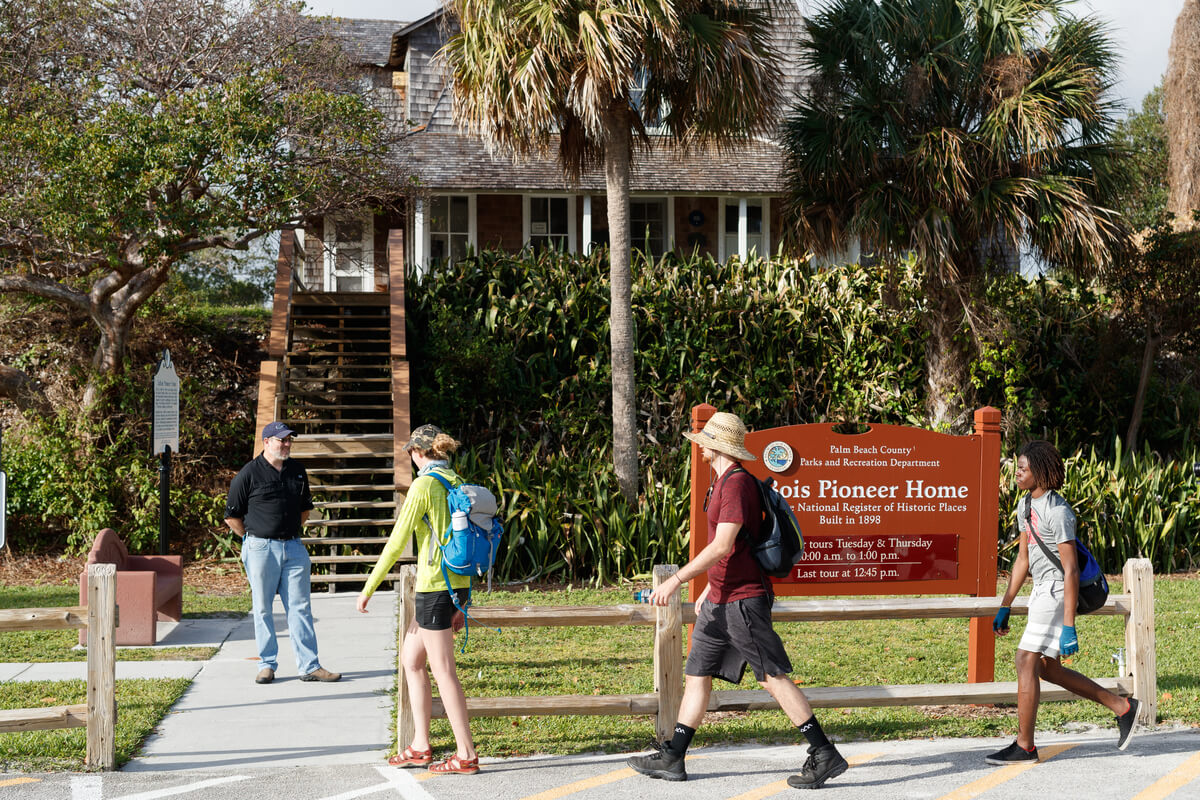
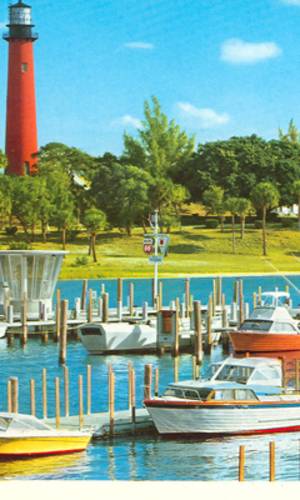
You can still experience that connection today. At DuBois Park in Jupiter, located near the historic Jupiter Inlet, visitors stand on land once inhabited by the Jaega. Nearby, the Jupiter Inlet Lighthouse & Museum in Jupiter offers deeper insight into the region’s earliest inhabitants and maritime history.
Even place names like Loxahatchee, Okeechobee, and Jupiter echo this enduring legacy, reminders that the story of The Palm Beaches began thousands of years ago.
Florida became a U.S. territory in 1821 and achieved statehood in 1845, but for much of the 19th century, The Palm Beaches remained largely untouched, defined by dense vegetation, subtropical climate, and limited access.
That sense of seclusion would soon become its greatest appeal.
In the 1890s, industrialist Henry Flagler extended the Florida East Coast Railway into South Florida, transforming this quiet stretch of coastline into a destination for travelers. With the railway came grand hotels, infrastructure, and a new vision for what The Palm Beaches could become.
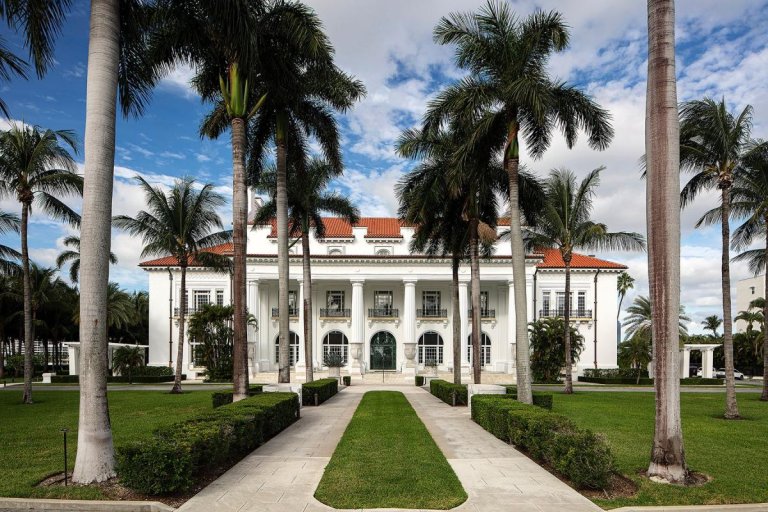
Landmarks like The Breakers Palm Beach and Whitehall, now the Flagler Museum in Palm Beach, reflect this transformative era. Built in 1902, Whitehall stands today as a National Historic Landmark and offers a glimpse into America’s Gilded Age,where innovation, industry, and architecture shaped a new chapter of the American story.
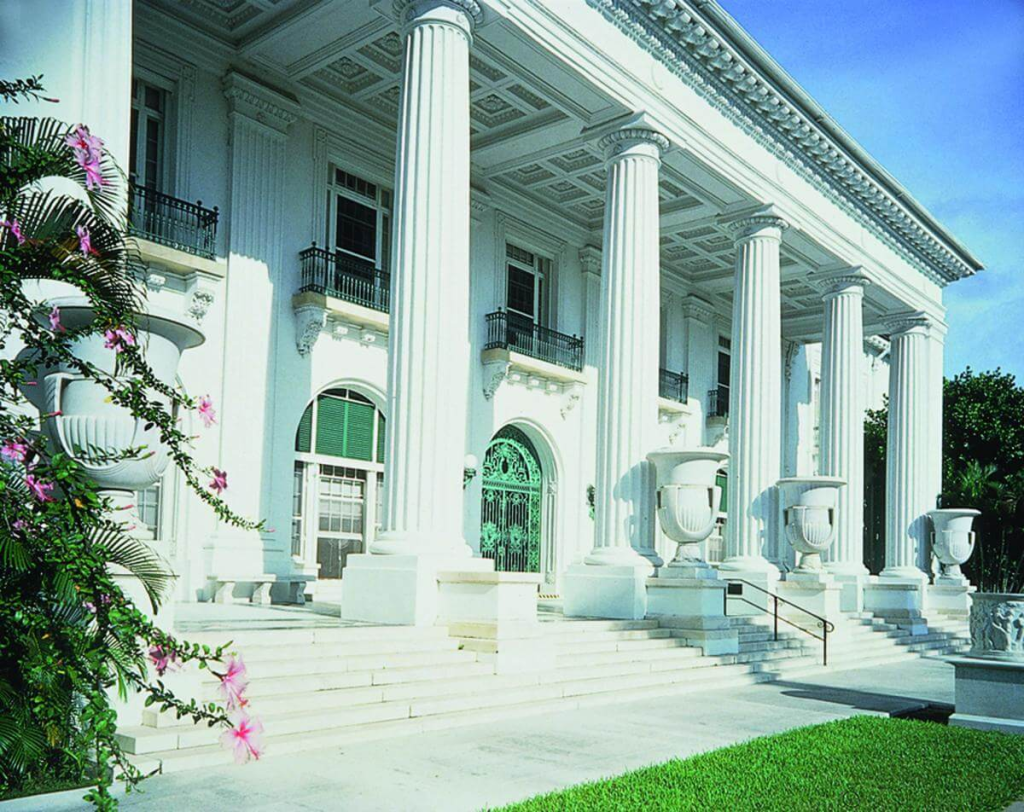
Throughout the 20th century, The Palm Beaches grew into more than a seasonal retreat. Communities expanded inland, agriculture flourished, and cities like West Palm Beach, Delray Beach, and Boca Raton developed distinct identities.
Today, each city offers its own perspective on the destination’s evolution:
This growth mirrors broader shifts across the United States, urban development, cultural exchange, and the blending of traditions that define modern American life.
Today, The Palm Beaches are shaped by a dynamic mix of cultures and communities. Influences from the Caribbean, Latin America, and beyond can be experienced through local cuisine, music, art, and festivals across the destination.
From waterfront dining in Jupiter to cultural institutions in Delray Beach and Boca Raton, the destination continues to evolve while honoring its past. It’s a place where history feels present, layered into architecture, neighborhoods, and the stories shared by those who call it home.
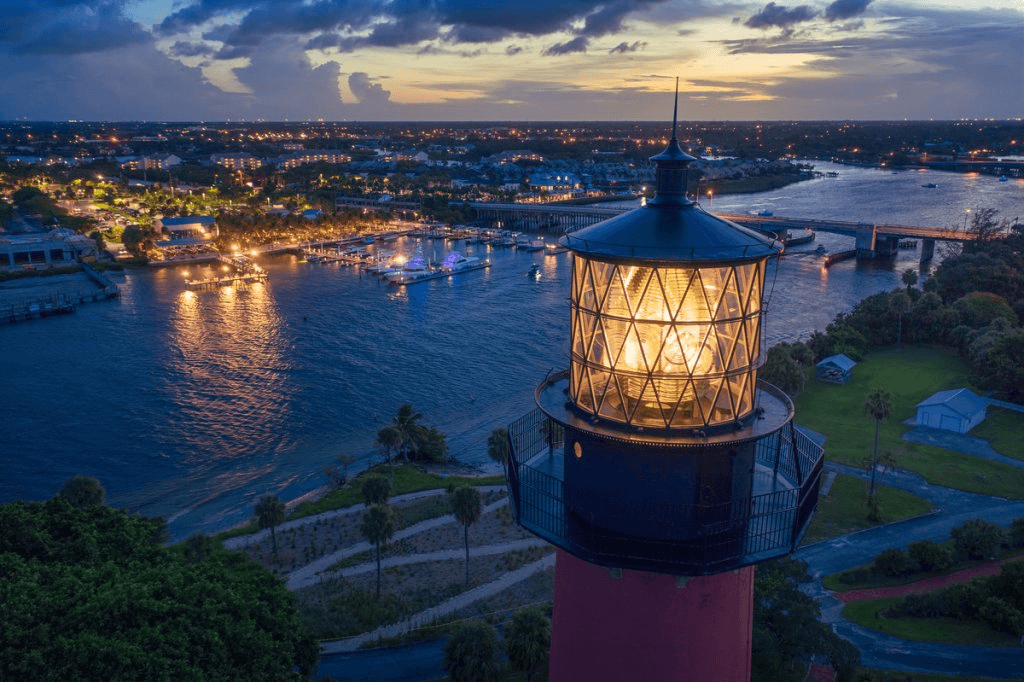
As America approaches its 250th anniversary, history comes to life across The Palm Beaches through places that invite you to step into the past while experiencing the destination today.
Each stop offers a different perspective, connecting past and present in ways that continue to shape The Palm Beaches today.
As the nation prepares to celebrate its 250th anniversary, there’s no better time to experience the stories that shaped it, right here in The Palm Beaches.
From historic landmarks and cultural institutions to vibrant neighborhoods and waterfront views, every visit offers a new perspective on the past and present.
Start planning your trip today and explore more ways to experience history, culture, and coastal beauty in Palm Beach County.


10 Things To Do in Palm Beach Start exploring Palm…
Palm Beach America’s First Resort Destination Movie…
Your 3-Day Guide to The Palm Beaches’ Top Sights…
Here are our favorite arts & culture experiences and…
Gilded Age Attractions in The Palm Beaches Experience…
This season, the Richard and Pat Johnson Palm Beach…
Browse lodging options in the one, the only, the Palm Beaches and discover America's First Resort Destination in sunny South Florida.
Get the best ideas for things to do in The Palm Beaches right to your inbox!
Check out our visitor guide and start planning your ultimate getaway!